It was a Tuesday in late February 2023 when our VP of Operations walked into my office with a problem. We had just finalized the lease on a new satellite facility near a ski resort—not for tourism, but for a mineral sampling project we were running for a client. The site was beautiful, remote, and completely off-grid. My job: outfit it with the power and basic operational equipment it needed to run a small team of field engineers for six months.
I'm the office administrator here, responsible for everything from coffee to contract negotiations. I manage roughly $200,000 in annual spending across a dozen vendors, reporting to both operations and finance. Procurement is my domain, but field equipment? That was a new one for me.
The First Mistake: Cost Per Unit vs. Cost of Failure
My natural inclination was to find the cheapest supplier that could ship quickly. After a few calls, I found a generator and portable power station package from a dealer who promised 'mining-grade reliability' at a price nearly half of what our usual industrial supplier quoted. The savings were significant—roughly $3,200 on the whole package. I placed the order, feeling pretty good about my negotiation skills.
The equipment arrived on schedule. The installation team got everything wired up. Then, the first test came: a week of sub-freezing temperatures and a storm that knocked out the solar array we'd also installed. The generator ran for six hours before it overheated and shut down. The backup battery bank, which we'd sized to cover exactly this scenario, was dead within four hours because the generator had been its only charging source.
When I called the dealer, I got a runaround. The issue, they said, was 'improper use in extreme conditions.' But the specs clearly said 'high-altitude capable.' It was a perfect example of a communication failure—I said 'mining-grade reliability,' they heard 'good enough for a campsite.' We lost three days of field work, paid for emergency replacement parts, and my VP had to explain to the client why the team was sitting idle.
That mistake cost us—not just in the $1,800 in expedited shipping and emergency labor, but in credibility. In my five years of managing purchasing, I had never lost a full week of operations to a bad procurement decision. I had certainly never done it in such a visible way.
A Better Way: From Parts to Process
After that debacle, I did what I should have done from the start. I went back to our primary vendor—the one I had bypassed to save money—and had a frank conversation about the specific site conditions. They didn't just sell us a generator. They gave me a system architecture.
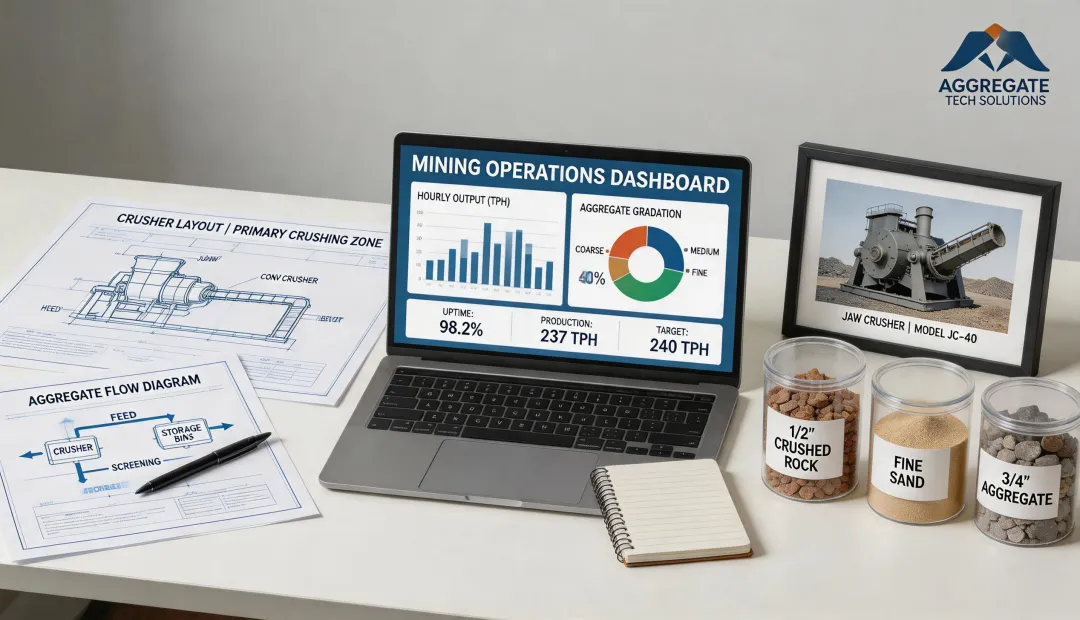
Instead of one massive generator, we went with two smaller, modular units configured for high-altitude operation. The battery bank was replaced with one that had a cold-weather charging profile. And critically, they introduced us to a digital monitoring platform. I could see, from my desk, the fuel levels, battery state, and ambient temperature of equipment located 40 miles up a mountain road.
That platform was the real insight. It wasn’t about the hardware—it was about the certainty. Instead of reacting to failures, I could plan around potential issues. I could see a voltage dip days before it became a problem.
Why I'll Never Buy on Price Alone Again
In Q4 2023, we ran the new system through a similar stress test: a cold snap with wind chills near -30°F. The system didn't just survive; it flagged a declining charge cycle in one unit before it became critical, allowing us to swap it out proactively during a scheduled maintenance window. Downtime? Zero hours.
Comparing the two experiences side by side, the lesson wasn't that one vendor was 'better' than the other. It was that the package with the lower price tag had no process behind it. The cheaper dealer offered parts; the better vendor offered a workflow. In an environment where every hour of downtime costs us approximately $600 in crew salaries and client penalties, that workflow is the product.
“The value isn't the speed of the delivery, it's the certainty of the operation. For remote or harsh-environment projects, knowing your system will run is often worth more than a lower invoice with 'estimated' performance.”
Now, a caveat: this isn't universally true. If I was buying standard office furniture or simple consumables, the lowest bid is usually fine. But for anything that touches critical operations, I need a partner who understands the total cost of ownership: base price, setup, integration, monitoring, and the potential reprint cost of a failed project—or in our case, a stranded field crew.
Three Takeaways for Anyone Buying Industrial Equipment
If you’re in a similar position, especially if you're an admin or ops person suddenly tasked with technical procurement, here’s what I learned the hard way:
- Verify the 'capability' in the specs. 'High altitude' means different things to different manufacturers. Always ask for the specific elevation rating and temperature tolerance, not just the marketing term.
- Ask about the workflow, not just the product. How do you monitor this equipment? What does the warning system look like? Is there a digital interface? If the answer is 'you just check on it manually,' you are the backup plan.
- Get the cost of failure on the table. I now ask vendors to help me calculate the cost of unplanned downtime. It changes the conversation from 'how much is this?' to 'how much will this save me?'
We eventually got our alpine project back on track, finishing two weeks ahead of the revised schedule. But I still think about that initial order—not just for the money it wasted, but for the lesson it taught me. Efficiency isn't just about doing things quickly; it's about building a process that prevents the emergency in the first place. And sometimes, the most efficient choice looks like it costs more upfront.
I'm not saying you should never take a chance on a new supplier. I'm saying that when the stakes include human safety and a client contract, you need to evaluate the whole system, not just the initial price. For us, that shift in perspective turned a logistics headache into one of the most reliable operations we have.